
Romance fiction doesn’t get taken seriously by the mainstream, and that’s exactly why we think it’s an important genre to watch right now. TLDR: The behaviour of romance readers, and how the content itself is produced, gives us an early signal into how AI is changing media consumption. It may be the earliest large-scale testing ground for hyperpersonalised and algorithmically optimised AI narratives.
In February 2026, the New York Times profiled a romance novelist named Coral Hart. Using Anthropic’s Claude AI, she produced more than 200 novels last year across 21 pen names, sold around 50,000 copies, and raked in six figures. During the interview, she finished generating a book in 45 minutes. Her summary of the competitive landscape is simple: “If I can generate a book in a day, and you need six months to write a book, who’s going to win the race?”
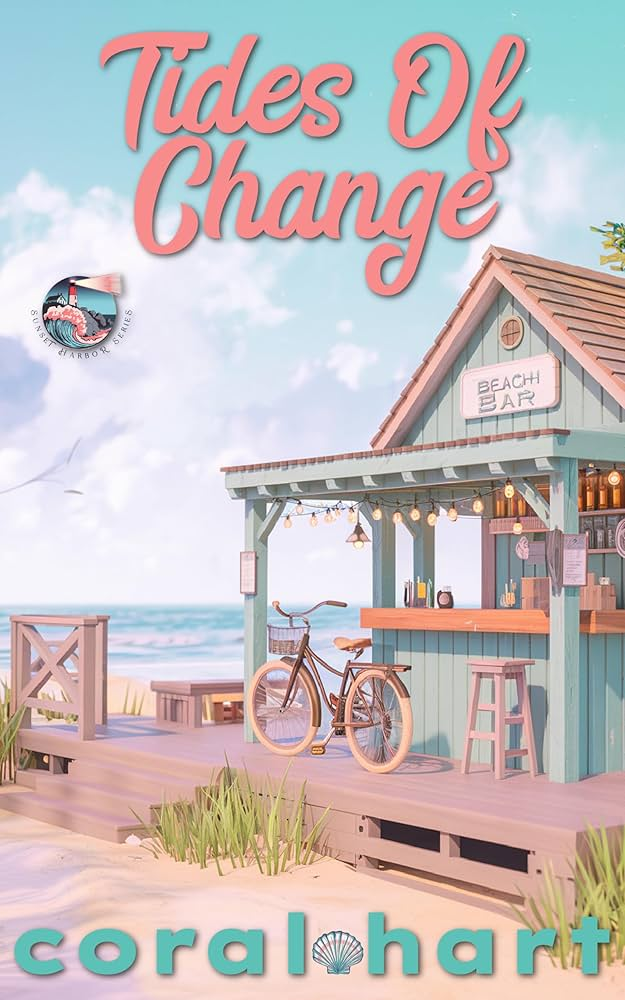
The romance community erupted. Human authors called it an existential threat, critics called it fraud. The story got widely shared, widely condemned, and widely misread. Despite what the controversy was about, it actually has nothing to do with whether Coral Hart is a good person or a bad author. The real question is why romance specifically is where this is happening, and what that means. We aim to answer that in this article.
Romance is the largest genre in commercial fiction and has been for decades. U.S. print romance sales hit 51 million units last year, up 24% year-to-date in 2025. That growth came during a period when overall print book sales were essentially flat.
The reason comes down largely to structure. Romance is one of the few genres built explicitly around a guaranteed emotional outcome: the happily ever after. Readers don’t come to romance for surprise endings. They come for the journey and the specific flavour of tension that a given trope promises to deliver… and you can take your pick.
Enemies to lovers. Forced proximity. Second chance. Fake dating.
Readers don’t browse by author so much as by premise, by mood, and by the exact emotional experience they’re after. BookTok didn’t invent this (the classic bodice ripper certainly had its heyday), but it provided a common, searchable language and a channel for global distribution. A growing need for escapism and reassurance within the barren hellscape of modern dating has certainly contributed to its popularity.
This formula is also what makes romance uniquely susceptible to AI. When the emotional architecture is explicit and formulaic, it becomes easy to optimise. An AI system given a detailed trope brief, a kink list, and a word count can produce something that easily satisfies a reader – not because it’s necessarily good writing, but because the reader’s expectation is already providing half of the experience.
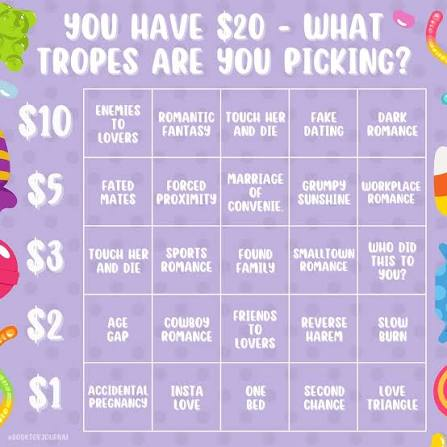
Romance readers aren’t just passive consumers. They’re actually among the most active and fast audiences in any media category. Many read three to five books a week. They tag tropes, write fanfiction, post reviews, and run Discord servers organised by sub-subgenre. The consumer is not just extreme when it comes to consuming repetitive, fast produced content, but they are highly participatory and therefore powerful. Self-publishing has flourished here because the audience is digitally native and oriented toward sheer volume. Authors are able to market, produce, and distribute the novels online, without the bureaucracy and barriers of a traditional publishing house.
That infrastructure of high consumption, low author prestige, and trope-led discovery is exactly the environment in which AI-generated content finds the path of least resistance. But before AI entered the picture, BookTok had already done something more fundamental than just changing how romance books were marketed. It changed what they look like.
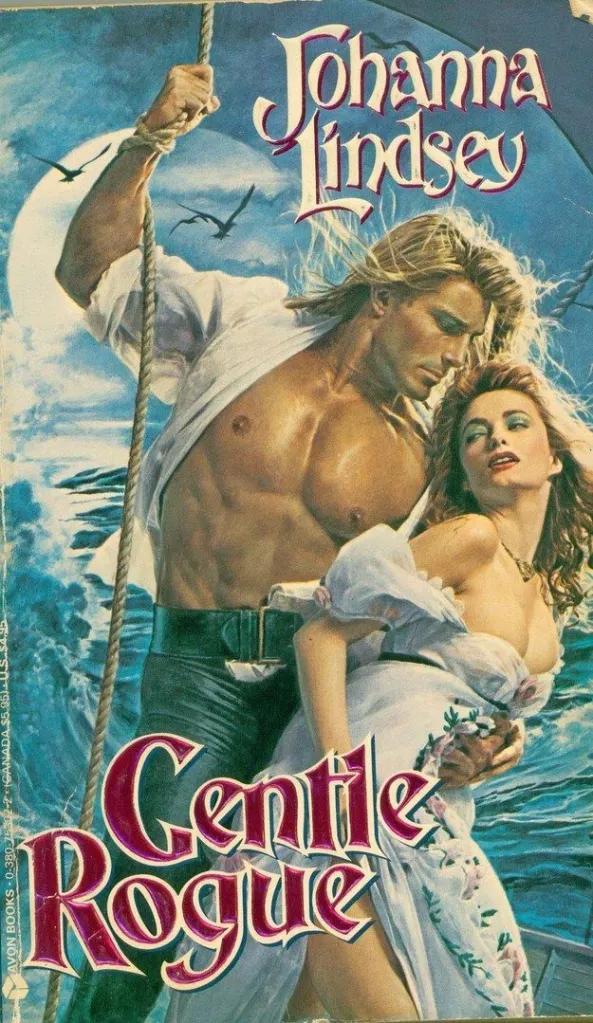
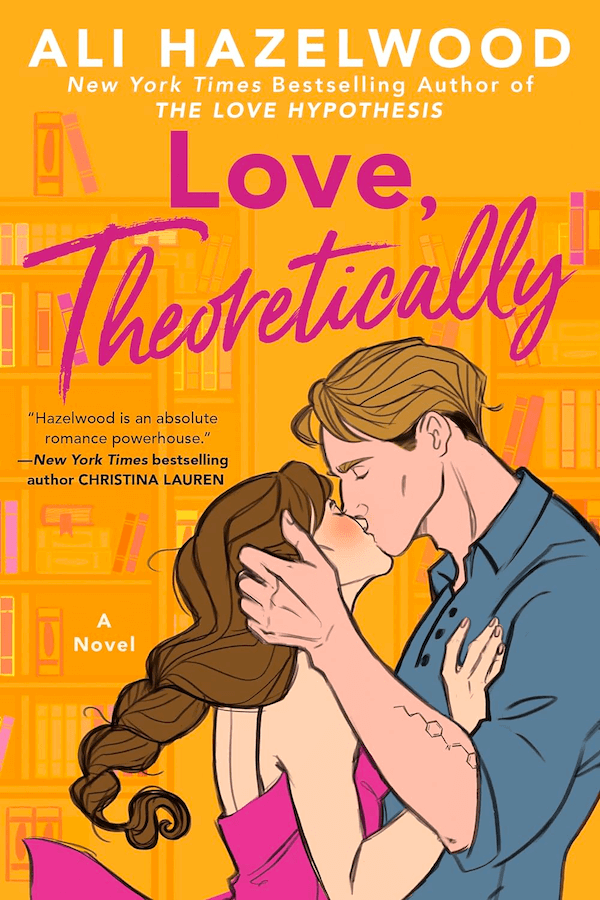
Move over, Fabio, we have a new style now
Walk into a bookshop today and the romance section has a look. Illustrated, with soft typography, and pastel or jewel-toned colours. A woman, in a modest yet flowing dress, against a romantic fantasy backdrop. Publishers didn’t arrive at this result through considered, artistic judgment. They used what was working on BookTok, and applied it retroactively, even reissuing older titles with new covers designed to perform on social platforms.
Implication: The product is designed to fit the algorithm’s preferences.
The Authors Guild’s 2023 income survey, the most comprehensive study of writer earnings, found that the median income across all authors was $2,000 a year. Half of all full-time authors earned below minimum wage from their writing. By comparison, the median for romance writers was $31,725. Romance authors are being rewarded by the current system. Their advantage comes from having mastered exactly what AI is now learning to do: high output, consistency, fast production cycles, and platform-native discoverability.
The cruel irony is that the qualities that made romance writers commercially successful – the formulaic structure, volume, and speed – are the same qualities that make their category most vulnerable to the machines.
Implication: The algorithm becomes the competitor.
Ultimately, the conditions that make romance vulnerable to AI content are the same conditions developing in streaming television (franchise sequels, formulaic procedurals), influencer content (optimised posting schedule, niche audience targeting), and serialised gaming. The emotional contract between creator and consumer is already explicit in all of these categories. The formula is established and the production cycle is already fast.
In these high-volume consumption categories, speed, availability, and reliability beat authorship and originality. Many readers are not choosing books because they trust the writer. They are choosing books because they trust the trope. The story itself is almost interchangeable.
Recommendation algorithms reward consistency and volume, not necessarily prestige. Platforms like Amazon don’t always label AI-generated books. Therefore, when the packaging is identical and the author is unknown, the only differentiator is whether the premise and the trope list lands.
Pre-AI pen names had more to do with protecting author privacy and creating a single, recognisable persona – think Julia Quinn – rather than one of 20 other names that was picked out of a hat to fill a suspiciously empty space on the cover.
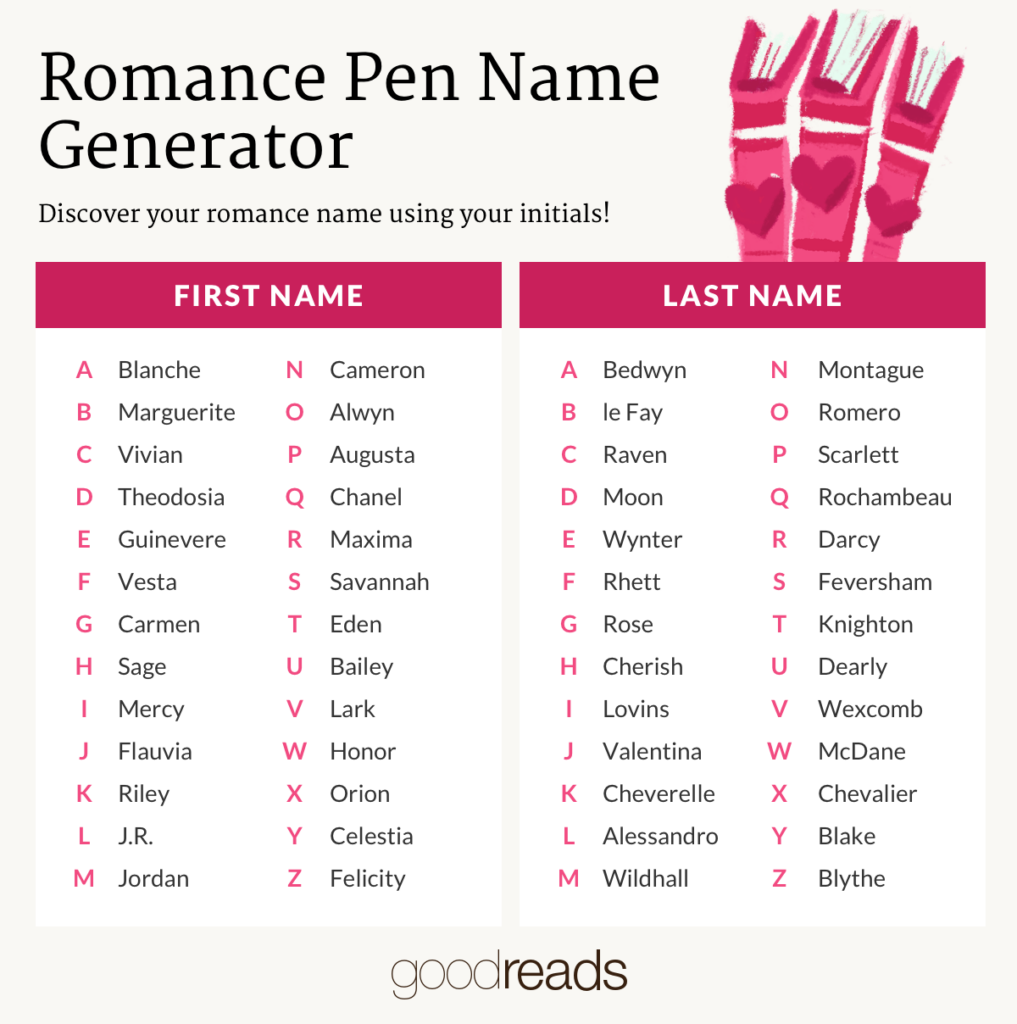
Now, pen names on AI content serve to add a thin veneer of humanity to make it more palatable. An ‘AI-enabled author’ stated that books with AI disclosure labels sell worse than those without, but “if you hide that there’s AI, it sells just fine.” The creator becomes almost incidental to the transaction, as long as the AI label is sufficiently camouflaged.
Implication: Consumers, when kept ignorant of the origins, do not reject AI products.
There’s another thing romance is signalling: the collapse of shared cultural conversation. The genre has splintered into niches. Sports romance, dark romance, and especially ‘Romantasy’. The romance-fantasy genre hybrid – which drove romantasy book sales to $610 million in 2024, up 34% in a single year – is essentially its own ecosystem with its own fanbase, TikTok vocabulary, and reader conventions. Five of the top-ten bestselling titles of 2024 were romantasy. One out of every four NYT Hardcover Fiction bestsellers was in the genre.
But while these readers might be talking to each other, they’re increasingly not talking to anyone outside their niche. When Sarah J. Maas sells 75 million copies and the majority of people in a general-population room have never heard of her, it makes you wonder if we’re going to the same bookstores at all.
The recommendation algorithm is so good at serving you exactly what you already want that the concept of a shared cultural moment – something that surprises, crosses boundaries, and is universally talked about – is becoming increasingly harder to produce.
AI accelerates this. If the content supply becomes infinite, and perfectly targeted, then curation will disappear and the algorithm will become the tastemaker.
Implication: Content is becoming an isolated system where the consumer’s preferences, rather than a creator’s vision, ultimately shape what is produced.
For brands operating in high-consumption categories like media, this is not a distant problem. The romance market is showing what happens when content becomes abundant enough that differentiation can no longer live in the product itself. When every title looks the same, is priced the same, and delivers the same emotional formula, the things that create loyalty have to live somewhere else. This could be in community, in curation, and in identity. The brands that understand this early will be the ones that give consumers a reason to care about the source, not just the output.
Romance offers a warning about what AI content and recommendation algorithms mean for brands. When algorithms decide what gets bought and what gets buried, the entities that influence those algorithms hold disproportionate cultural power. Brands that curate, that shape taste, and that help consumers navigate rather than simply add to the flood, are in a more advantageous position than those competing on content alone.
Brands need to strategise about the algorithms they are working with and against, rather than being a passenger. They need transparency, authorship, curation, an understanding of the boundaries of subcultures – and whether or not they are permeable. Today’s romance reader is experiencing a world of content that the rest of us are about to inherit.

135 W 41st St 5th Floor
New York NY 10036
+1 (212) 518-3444
Buspace
London
W10 5AP
